How to prevent atherosclerosis through diet: advice from your vascular surgeon
What is atherosclerosis and why does diet matter?
Atherosclerosis is a disease of the arteries characterized by the accumulation of fatty plaques, cholesterol, and inflammatory cells in the vessel walls. In the long term, it increases the risk of stroke, myocardial infarction, and peripheral arterial disease.
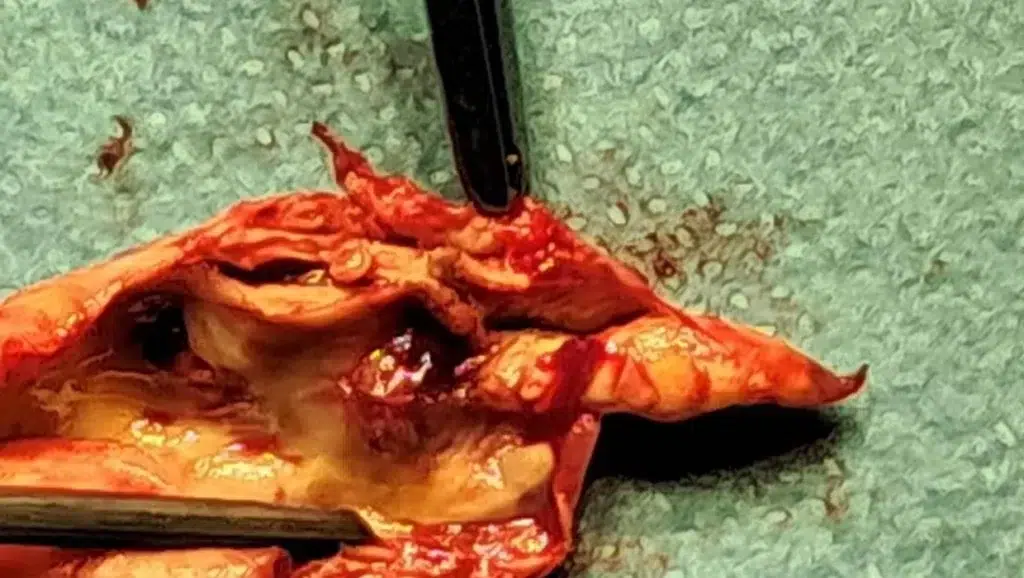
Here is a photo of an artery operated on and treated by Dr. Guilhem SEBAN showing advanced atheroma (internal carotid artery)
European and American guidelines (ESC, AHA) emphasize that diet is a major pillar of cardiovascular prevention, on par with physical activity, smoking cessation and management of cholesterol and blood pressure.
Principles of an artery-protective diet
To limit the risk of atherosclerosis, the goal is to reduce LDL cholesterol, blood pressure, weight, and inflammation. The most recommended dietary pattern is one rich in vegetables, good-quality unsaturated fats, and minimally processed foods, similar to the Mediterranean diet.
Key points to remember:
-
- Eat more vegetables, fruits, legumes and whole grains.
- Opt for vegetable oils (olive oil) rather than butter and saturated fats.
- Limiting processed meats, highly salted products and sugary drinks.
Foods to favor to prevent atherosclerosis
Vegetables at the heart of meals
Fruits and vegetables, rich in fiber, antioxidants, and minerals, are strongly associated with a reduced risk of cardiovascular disease. It is recommended to include vegetables in every meal, raw or cooked, and to vary the colors (green, orange, red, blue).
Whole grains and legumes
Whole grains (wholemeal bread, brown rice, oats, wholemeal pasta) and legumes (lentils, chickpeas, dried beans) provide fiber, protein and nutrients that help regulate cholesterol and weight.
Good fats and nuts
Unsalted nuts (walnuts, almonds, hazelnuts) and oils rich in unsaturated fats help lower LDL cholesterol and protect the arterial endothelium. Fish, especially oily fish, is recommended 1 to 2 times a week (unless medically contraindicated).
Foods to limit or avoid
Certain foods increase the risk of atherosclerosis by raising cholesterol, blood pressure, or inflammation. The AHA and ESC guidelines emphasize:
-
- Reducing processed meats (deli meats, sausages, prepared meals).
- Limiting red meat consumption.
- Reducing the consumption of industrially produced products high in salt (soups, snacks, prepared meals).
- Avoiding sodas and sugary drinks.
- Reducing trans fats and repeated frying.
Salt deserves special attention, as it is a major factor in high blood pressure, which is itself linked to the development of atherosclerosis.
The Mediterranean diet, an ally for your arteries
The Mediterranean diet is currently the best-documented dietary model for cardiovascular prevention. It combines a high consumption of vegetables, fruits, legumes, whole grains, nuts, olive oil and fish, with a moderate consumption of animal products.
In practical terms, this means:
-
- A plate dominated by vegetables.
- A source of protein that is primarily plant-based or derived from fish/poultry.
- A main fat such as olive oil.
- A fruit dessert rather than a sugary product.A minimum of ultra-processed foods.
This model is not only effective, but also realistic and durable, making it an excellent choice for long-term prevention.
Practical tips for everyday life
Examples of protective meals
-
- Breakfast: wholemeal bread, plain yogurt, whole fruit.
- Lunch: vegetable salad, lentils or chickpeas, fish or poultry, fruit.
- Dinner: cooked vegetables, whole grains, olive oil, a handful of nuts.
- Snack: fruit or unsalted nuts rather than processed biscuits.
Small changes, big effects
Replacing butter with olive oil, adding vegetables to every meal, choosing whole-wheat bread, reducing processed meats, and favoring legumes can be enough to significantly improve the quality of your diet. The important thing is consistency, not perfection.
What a patient at risk of atherosclerosis should know
A good diet does not replace medical treatment when it is necessary. It is part of a comprehensive approach that includes:
-
- Monitoring and treatment of cholesterol and blood pressure.
- Regular physical activity.
- Stop smoking.
In patients already suffering from arterial disease (arteries of the heart, brain or limbs), a suitable diet can help slow the progression of atherosclerosis and reduce the risk of vascular events.
To discuss this further with your vascular surgeon
If you wish to adapt your diet to reduce the risk of atherosclerosis, or if you already have arterial disease, don’t hesitate to discuss it with your doctor and vascular surgeon. A personalized assessment (cholesterol, blood pressure, medical history) will allow for the development of a comprehensive prevention strategy, including lifestyle changes, diet, and potentially treatment.
Sources
-
- European Society of Cardiology. 2021 ESC Guidelines on cardiovascular disease prevention in clinical practice.
- American Heart Association. 2021 Dietary Guidance to Improve Cardiovascular Health.
- Riccardi G, Giosuè A, Calabrese I, Vaccaro O. Dietary recommendations for prevention of atherosclerosis. Cardiovascular Research, 2022.